

The Quiet Heroes of Comfort: Caring for Your Vehicle’s Interior

A vehicle’s interior is more than a collection of seats, controls, and storage compartments. It is the environment in which drivers spend time commuting, traveling, concentrating, and navigating unpredictable road conditions. Over months and years, everyday use gradually changes the appearance and condition of interior materials.

Dust settles into small gaps, sunlight affects upholstery, moisture leaves odors, and frequently touched surfaces collect oils and residue. Maintaining the cabin is not simply about appearance. It also contributes to comfort, visibility, hygiene, and the long-term condition of interior components.

Upholstery Requires Different Cleaning Methods

Not all seats respond well to the same cleaning products. Fabric, leather, synthetic leather, and specialized textile materials have different sensitivities to moisture, detergents, and friction.

Fabric upholstery often benefits from regular vacuuming to remove loose dirt before it becomes embedded in the fibers. Small stains should be treated with a product approved for the material, using a controlled amount rather than soaking the seat.

Leather surfaces require gentle cleaning and products formulated for automotive leather. Aggressive household chemicals may strip protective finishes or cause discoloration.

Synthetic materials can vary significantly in composition. The manufacturer’s recommendations are useful when selecting appropriate cleaners.

Testing a cleaning product on a discreet area before treating an entire surface helps reduce the risk of visible damage.

The Importance of Air Quality

The cabin air filter plays a role in controlling dust, pollen, and other airborne particles entering through the ventilation system. Depending on the vehicle, some filters also contain activated carbon intended to reduce certain odors.

A clogged filter may restrict airflow, making heating, cooling, and windshield defogging less effective. It may also contribute to unpleasant smells.

Filter replacement intervals vary with driving conditions and vehicle design. Dusty environments, frequent stop-and-go driving, and heavy use of ventilation can increase the need for inspection.

Air conditioning systems also require attention. Moisture accumulation and biological growth around evaporator surfaces may contribute to persistent odors. Simply masking the smell with fragrance does not address its source.

Protecting Surfaces From Sunlight

Repeated sunlight exposure can gradually fade dashboards, door panels, steering wheels, and upholstery. Heat can also accelerate the aging of certain plastics and adhesives.

Parking in shaded areas or using a suitable windshield sunshade can reduce direct solar exposure. Interior products designed to protect specific materials may offer additional support, but they should not leave the steering wheel, pedals, or other control surfaces slippery.

Cleaning the dashboard with a soft microfiber cloth helps remove dust without creating unnecessary scratches. Avoid spraying liquids directly onto electronic displays, switches, or instrument clusters.

Small Habits That Prevent Big Messes

Many interior problems develop through repeated everyday behavior. Food crumbs accumulate beneath seats, spilled drinks penetrate upholstery, and damp clothing introduces moisture that can encourage unpleasant odors.

Removing waste regularly, keeping frequently used storage areas organized, and cleaning spills promptly make deeper cleaning easier.

Floor mats deserve particular attention. They collect mud, moisture, road salt, and debris that would otherwise spread throughout the cabin. Mats should be removed and cleaned periodically, then allowed to dry fully before being returned.

Always make sure floor mats are properly secured and cannot interfere with the pedals.

Keeping the Cabin Functional

Interior maintenance should also include practical inspections. Check seat belts for fraying or damage, verify that seat adjustments operate correctly, and make sure storage compartments close properly.

Inspecting the condition of the steering wheel, pedals, mirrors, and dashboard controls can reveal wear that affects usability.

A clean interior does not need to look untouched or resemble a showroom display. The real objective is to preserve a comfortable, functional, and pleasant environment that supports everyday driving without unnecessary deterioration.
Inside the Cabin: How EVs Are Changing the Driving Experience

Electric vehicles do more than replace one type of powertrain with another. The change in propulsion technology creates opportunities to rethink the entire cabin.

Without a conventional combustion engine and traditional transmission occupying the same space, designers can reconsider packaging, storage, seating arrangements, controls, sound, and the way drivers interact with the vehicle.

The result is an interior experience that can feel noticeably different even before the vehicle begins moving.

A Quieter Environment

Electric motors are generally quieter than combustion engines, especially at low speeds.

This can make other sounds more noticeable. Tire noise, aerodynamic noise, suspension movement, and wind can become more prominent when the engine is no longer producing substantial background noise.

Manufacturers can respond through insulation, acoustic glass, improved seals, specialized tires, and other design techniques.

The quieter environment can create a calmer cabin, but it also means that acoustic engineering becomes increasingly important.

More Flexible Packaging

Electric drivetrains can require less space in some areas than traditional engine and transmission layouts.

The battery is typically positioned low in the vehicle, while electric motors can be relatively compact.

This can give designers more flexibility when arranging interior and storage space.

Some electric vehicles use the space beneath the hood for additional storage because the traditional engine compartment is no longer occupied by a large combustion engine and its associated systems.

Digital Controls Everywhere

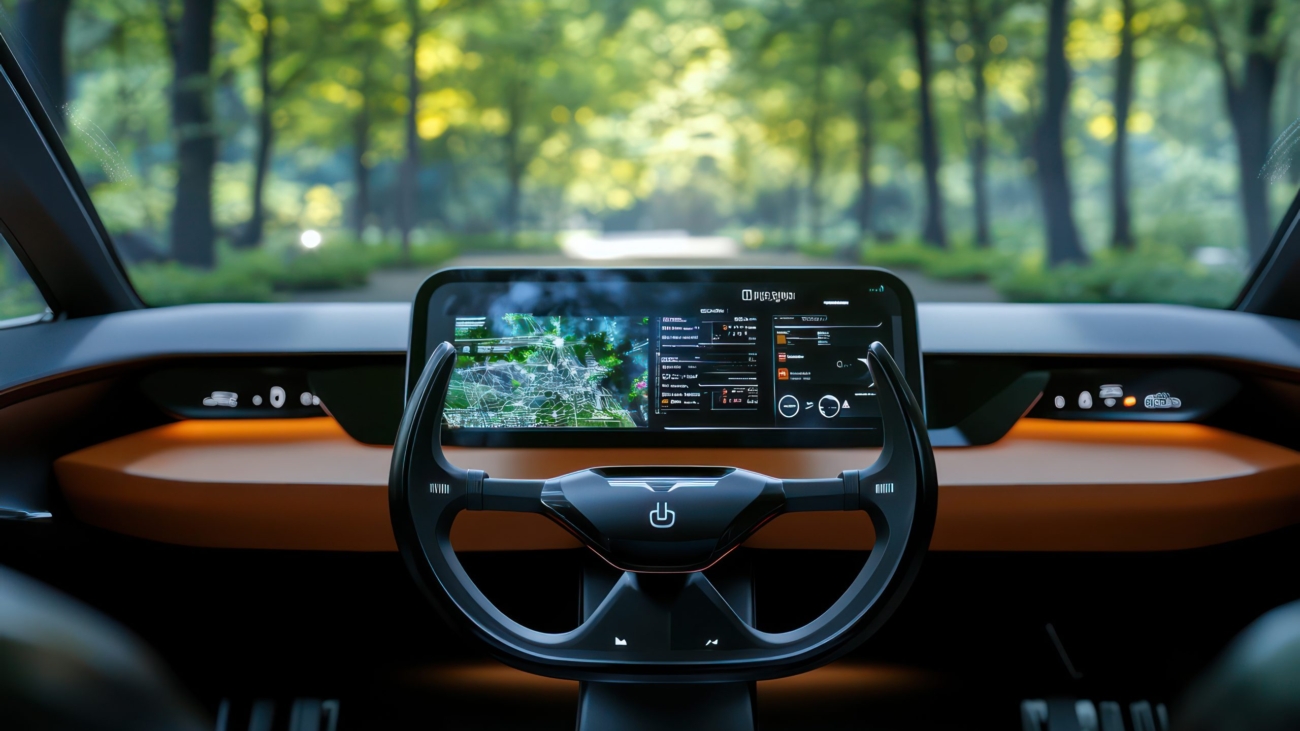
Large digital displays have become common in electric vehicles.

Drivers may interact with climate settings, navigation, charging information, energy consumption, driving modes, and vehicle settings through centralized interfaces.

This can reduce the number of physical controls but may also make certain functions less intuitive if too many features are hidden within menus.

A well-designed interface needs to balance technology with immediate accessibility.

Important driving functions should remain easy to operate without requiring prolonged visual attention.

Regenerative Braking Changes Pedal Feel

The accelerator pedal can have a different role in an electric vehicle.

Depending on the selected driving mode, releasing the accelerator may trigger significant regenerative deceleration.

Drivers may therefore use the accelerator not only to control acceleration but also to influence the rate of deceleration.

It can take time to adapt, particularly for someone moving from a vehicle with conventional automatic transmission behavior.

Once familiar, the system can become a natural part of everyday driving.

Climate Control Becomes an Energy Question

In a combustion-powered vehicle, much of the engine’s waste heat can support cabin heating.

An electric vehicle must generate cabin heat using electrical energy, typically through resistance heating, a heat pump, or a combination of systems.

Cooling also draws energy from the battery.

As a result, climate control can have a more visible relationship with energy consumption and range.

Modern systems can manage cabin temperature efficiently, but drivers may still notice differences during extreme weather.

New Storage Possibilities

Electric vehicle packaging can create unusual storage solutions.

Without a large conventional engine occupying the front section, some designs provide additional compartments. Flat battery placement can also influence floor height and cabin layout.

The possibilities vary considerably between vehicle types.

The important point is that electrification gives designers a different set of physical constraints.

A Different Definition of the Car Interior

The electric vehicle cabin is becoming a combination of mechanical environment, digital interface, acoustic space, and energy-management system.

The steering wheel and seats remain familiar, but many surrounding elements are changing.

Future interiors may place even greater emphasis on software, personalized settings, advanced displays, voice interaction, and adaptable layouts.

Electrification therefore changes more than what happens underneath the floor. It is gradually influencing what it feels like to sit inside a vehicle.